How to Verify a Montreal Maker Actually Produced Your Furniture
A label is not a workshop. When furniture is sold as Montreal-made, the claim describes where work happened, and work leaves traces: an address you can visit, joints you can feel, paperwork someone had to produce along the way. The trouble for a buyer is that a tag costs almost nothing to print, while the labour it advertises does not.
Key takeaways
- The honest answer is that this page cannot tell you.
How to Verify a Montreal Maker Actually Produced Your Furniture.
This article is for buyers who want to test a local origin claim rather than take it on faith. It sets out what to ask for, what to inspect on the piece itself, and how to keep a record of what you were told. One limit matters up front: the legal tests that govern origin claims in Canada are not documented in the sources available for this page, so nothing here states what Canadian or Quebec law requires. Where the law would decide a question, the answer below says so plainly instead of guessing.
What does 'Made in Montreal' legally require for furniture sold in Canada?
The honest answer is that this page cannot tell you. No approved source here reproduces the federal guidance on origin claims, the provincial consumer protection provisions, or any ruling applying them to furniture. Treat any article that recites those rules without citing the published text as unverified, including this one. Without the statute in hand, you can still gather evidence about the specific piece in front of you, then take that evidence to the maker, and if needed to a consumer protection authority or a lawyer who can read the current rules.
Think of buying a house on the strength of a photograph. The photograph tells you the paint colour. The inspection report, the permits, and the survey tell you what holds the place up. Provenance works the same way: the finish is the photograph, and the documentation is the inspection.
What does 'Made in Montreal' legally require for furniture sold in Canada.
Use this checklist before you pay:
- Ask where the work happens. Request the street address of the production space, not the showroom, and ask which steps happen there. A maker who builds locally has a place to name and can usually describe it in detail. If the answer is only a sales office or a mailing address, ask what that address is used for.
- Look at the underside and the back. Turn the chair over. Open the drawer and run your hand along its bottom. Look behind the case piece where nobody styles a photograph. Construction choices stay visible on these surfaces, and they are the cheapest place to compare what you see with what the seller described. Ask the maker to explain each fastener and joint you find, and note whether the explanation matches the piece.
- Ask what the piece is made of, panel by panel. Rather than judging materials by eye, ask the maker to identify the substrate of the top, the sides, the drawer bottoms, and the back, and to say which parts are solid stock and which are sheet goods or applied surfaces. Write the answers down. You now have a specific description you can hold them to when the piece arrives.
- Ask what was applied to the surface, and ventilate. Finishes deserve questions for reasons beyond provenance. The U.S. Environmental Protection Agency identifies paints, varnishes, waxes, cleaning products, building materials, and furnishings as common indoor sources of volatile organic compounds. Ask which oil, varnish, wax, or stain was used and request the product name in writing. The U.S. Environmental Protection Agency recommends increasing ventilation when using products that emit volatile organic compounds indoors, a sensible precaution whenever you handle or apply such products yourself. Note what this source does not establish: it says nothing about where a piece was manufactured, and a smell is not proof of origin.
- Ask which components were bought in. Hardware, glass, upholstery, and mechanisms may come from elsewhere even when the woodwork is local. Ask the maker to separate the parts they produce from the parts they purchase, and to name their suppliers. Whether purchased components affect an origin claim is a legal question this page cannot settle; what the answer gives you is a clear picture of who did what.
- Compare the story across channels. Read the studio's own workshop description, then compare it with the listing, the salesperson's account, and the invoice. Consistency is not proof, but contradictions are a reason to slow down and ask again before committing.
Then ask for records. Documentation turns a conversation into something you can revisit later:
- The business registration for the entity you are paying, showing its registered address and activity.
- Purchase invoices for the raw materials used in your piece.
- Photographs or video of your specific model being built at the stated address.
- A written statement listing which production steps happened in-house and which were sent elsewhere.
- The product names and specification sheets for the finishes applied.
Some sellers will supply all of this readily; others will not, and a refusal is information rather than a verdict. Decide in advance how much uncertainty you are willing to accept, and put the origin claim in writing on the order or invoice so that the description you paid for is recorded.
A seller who refuses these requests signals risk.
Which Quebec regulations govern origin claims for furniture?
No approved source available for this page sets out Quebec's rules on origin claims, the powers of the provincial consumer protection office, or any enforcement history involving furniture. That gap is the finding, not an oversight to paper over. If a dispute turns on provincial law, get the current text from the responsible authority or ask a lawyer licensed in Quebec to review your file.
Enforcement actions depend on evidence.
Meanwhile, build the file. Keep the receipt, the listing text, screenshots of the page where the origin claim appeared, the tag if there is one, and every email in which the seller described where the piece was made. Save them as they were at the time of purchase, since pages change. A dated record of what you were told is useful whatever rule eventually applies to it.
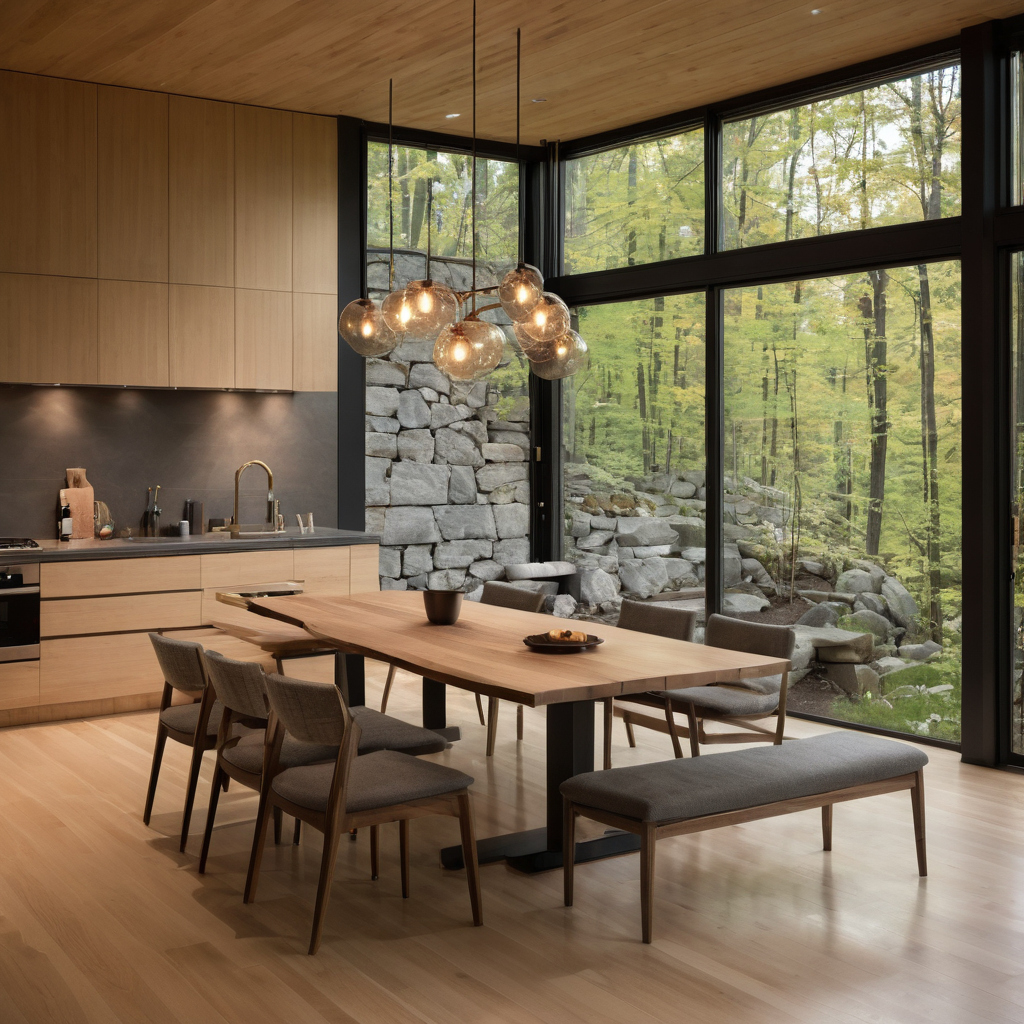
Makers source materials differently depending on species availability.
Does importing raw lumber disqualify a 'Made in Montreal' label?
That is exactly the kind of question the legal test would answer, and no approved source here states the test. Do not accept a confident yes or no from a seller, a blog, or this page. Ask instead for the underlying facts: where the material came from, where it was cut and joined, where the surfaces were applied, and who did each of those things. Any authority or adviser would need those facts to apply the current rules to your purchase.
Separating sourcing from fabrication also helps you understand what you are buying, independent of the label. A maker who names their mill, describes their own machining, and shows you the bench where your table was assembled has given you a detailed account of local work. A seller who can only describe a warehouse and a delivery date has given you a different account. Both may be perfectly legitimate businesses. They are not the same purchase, and the price should be discussed with that difference in view.
Before committing to a purchase, stop accepting printed labels at face value and demand physical proof.
Before you commit, stop treating the tag as the answer and treat it as the question. Get the address. Look underneath. Ask what each panel is and what was brushed onto it. Put the origin claim on the invoice. Then decide whether the evidence matches the story you were sold, and buy accordingly.
Frequently Asked Questions
Can a seller legally call furniture 'Montreal-made' if only the final assembly happened locally?
This page cannot answer that, because no approved source available here states the Canadian legal test for origin claims. Ask the seller to describe precisely which steps happened at which address, get that description in writing, and take it to the relevant consumer protection authority or a lawyer if the answer matters to your decision.
What documents should I request from a Montreal furniture studio before purchasing?
Ask for the business registration showing the registered address and activity, purchase invoices for the raw materials in your piece, photographs or video of your model being built at the stated address, a written statement separating in-house steps from outsourced ones, and the product names and specification sheets for the finishes used. Ask that the origin claim itself appear on the order or invoice.
For more on this topic, see other guides on this site.